The Botswana Public Employees Union (BOPEU) wants government to put all its cards on the table over the African Hero partnership, warning that new schools and clinics should not come with hidden costs for workers and future generations.
In a statement released on Monday, BOPEU said it supports investment in public infrastructure but wants clear answers about the financing, ownership, staffing and long-term obligations attached to the initiative.
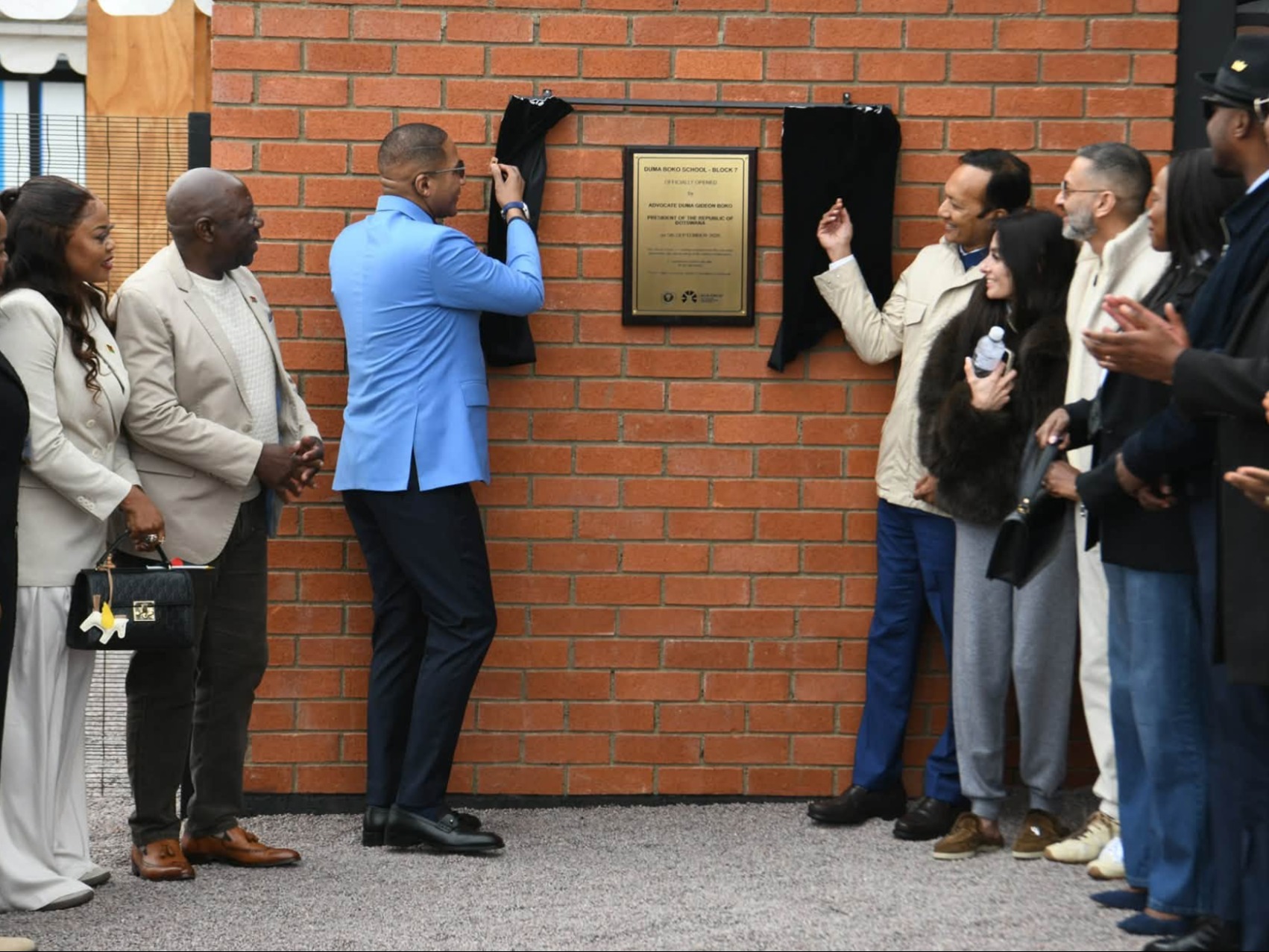
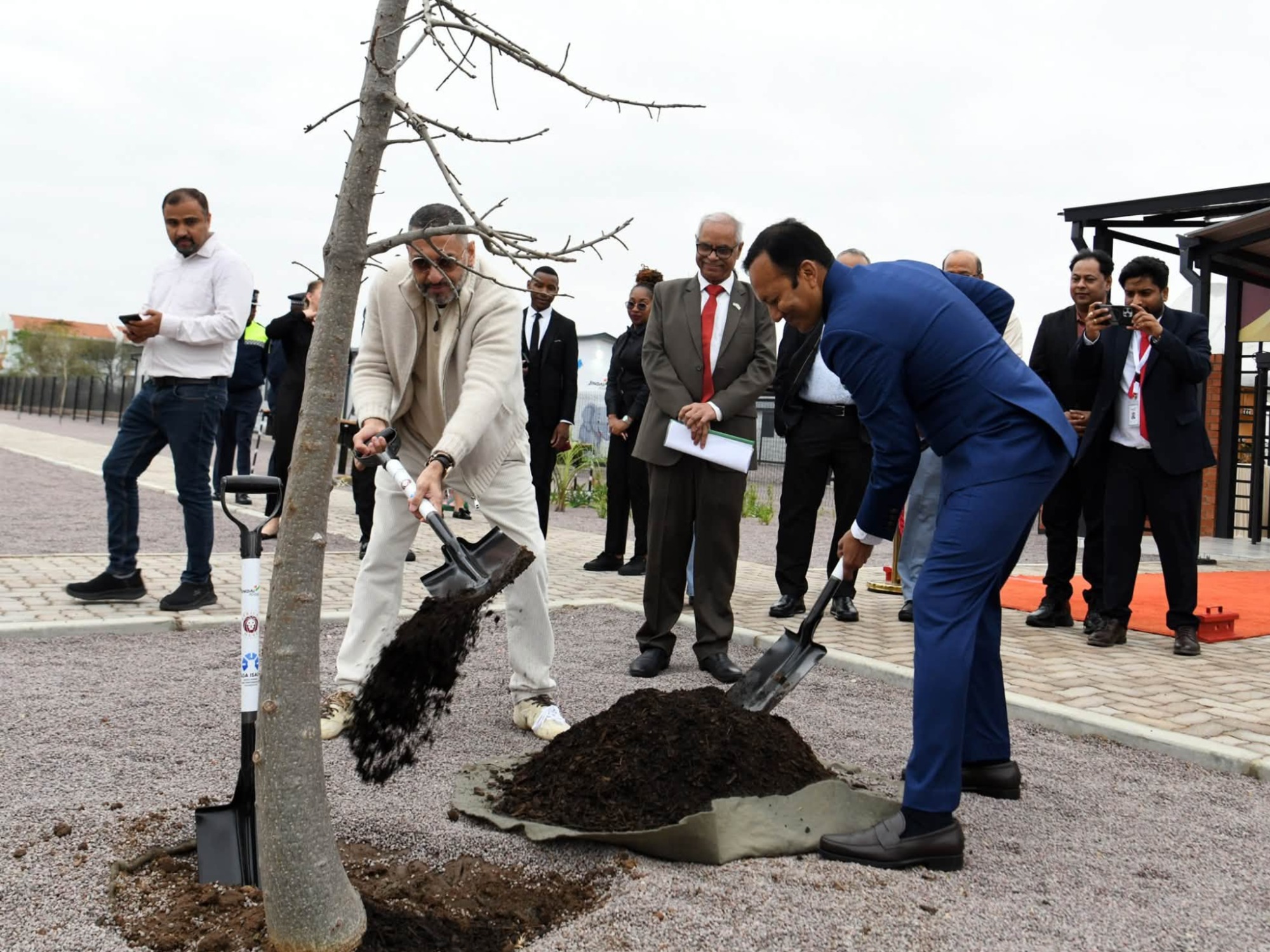
The union’s position comes after President Duma Boko launched the African Hero initiative and unveiled the Duma Boko School and Clinic in Block 7, Gaborone, on Saturday.
Government has presented the project, backed by South African businessman Zunaid Moti and other private partners, as a faster way of delivering schools and health facilities without requiring upfront construction funding from the State.
BOPEU said such investment deserved “serious and constructive consideration”, especially if it expands access to public services and creates employment for Batswana. However, it cautioned that the excitement around new infrastructure should not overshadow questions about what the country may eventually be required to pay or surrender.
The union wants government to reveal the legal and financial structure of the partnership, its duration, the source and amount of financing, the projects and locations involved and the responsibilities of each party.
It also wants details of any guarantees, tax exemptions, concessions and future financial obligations undertaken by government.
“Timely and proactive disclosure builds public confidence in the initiative. The public should not have to rely on questions in Parliament or media reporting to learn the terms of major national commitments made in their name,” BOPEU said.
Of particular concern to the union is whether the project will create secure employment for Batswana or open another door for outsourcing and temporary work.
It wants government to disclose how much of the construction work will be reserved for citizen-owned companies and whether wages, safety conditions and other labour standards will comply with Botswana’s laws.
BOPEU also wants clarity on whether teachers, nurses and support staff at the completed facilities will be employed permanently within the public service or engaged through contract, outsourced or investor-controlled arrangements.
It questioned whether the private investor would have any role in managing or staffing the facilities after construction.
The union further wants government to explain whether it has budgeted for salaries and other recurring costs that will arise when the schools and clinics begin operating.
“A clinic without nurses, or a school without teachers, is an asset in name only,” it warned.
BOPEU said an infrastructure plan should be accompanied by a proper human resource plan to ensure that every completed facility has enough workers to operate effectively.
It also called for skills transfer to citizens throughout the life of the partnership instead of allowing local workers to occupy only low-level positions.
The union warned that major development agreements could create obligations extending beyond the term of the current government. Any agreement carrying financial, contractual or operational implications for the country should therefore face scrutiny by Cabinet and Parliament.
“Botswana should avoid a situation in which an attractive development project today becomes a financial, legal or contractual burden for future administrations and generations,” the union said.
BOPEU also wants government to conduct and disclose due diligence covering financial risks, repayment arrangements, ownership of the facilities, long-term maintenance costs and provisions for terminating the partnership or resolving disputes.
According to the union, future financial commitments could put pressure on public services, public-sector jobs, workers’ conditions and the government wage bill.
It further accused government of sidelining organised labour when making major economic decisions, saying unions should be involved while agreements are being developed and negotiated, not only informed once decisions have already been made.
BOPEU said it was not opposed to foreign investment or public-private partnerships, but insisted that development must protect the country’s long-term interests.
“What are we receiving? What are we giving in return? What are we committing ourselves to? Who carries the risk? Who owns the assets?” the union asked.
It also wants to know who will build and staff the facilities, the conditions under which they will work and what the entire arrangement will ultimately cost taxpayers.
“Botswana must develop, and it must develop responsibly. We must build schools and clinics without building future liabilities,” BOPEU said.
The union called on government to release all material financial, legal, contractual and employment-related details of the partnership and formally engage organised labour before the wider rollout begins.